

Uganda's annual headline inflation increased to 3.2 percent in May 2026 from 3.0 percent recorded in April 2026, according to the latest Consumer Price Index (CPI) report released by the Uganda Bureau of Statistics (UBOS).
The increase reflects growing pressure on household spending, with transport costs emerging as one of the key drivers of inflation during the month.
UBOS reported that annual inflation for passenger transport services by road rose sharply to 10.6 percent in May 2026.
The increase was largely attributed to higher fuel-related costs, which have continued to affect transport operators across the country.
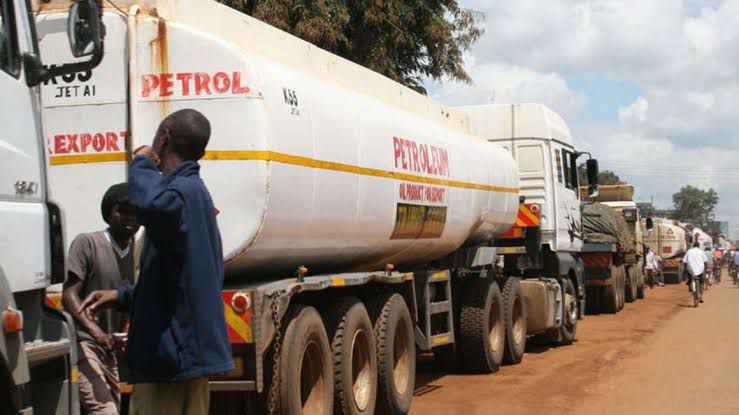
The agency noted that annual inflation for liquefied energy fuels surged to 16.6 percent, reflecting continued supply challenges in the fuel market.
Rising fuel prices have translated into higher operating costs for public and private transport providers, prompting fare increases that have been passed on to consumers.
The latest inflation figures come amid continued uncertainty in global energy markets. Analysts have linked the fuel supply constraints to ongoing geopolitical tensions in the Middle East, which have disrupted supply chains and contributed to volatility in international oil prices.
Economists warn that prolonged instability in the region could sustain pressure on fuel prices, with knock-on effects on transport, production and distribution costs throughout the economy.
While the rise in inflation remains relatively modest, consumers are already facing higher transport expenses and increased energy costs, factors that directly affect household budgets and business operations.
Despite the uptick, Uganda's inflation rate remains comparatively moderate by regional standards, suggesting that broader price pressures remain largely contained for now.
UBOS said it will continue monitoring price movements across various sectors of the economy as global market developments and domestic supply conditions influence inflation trends in the months ahead.
